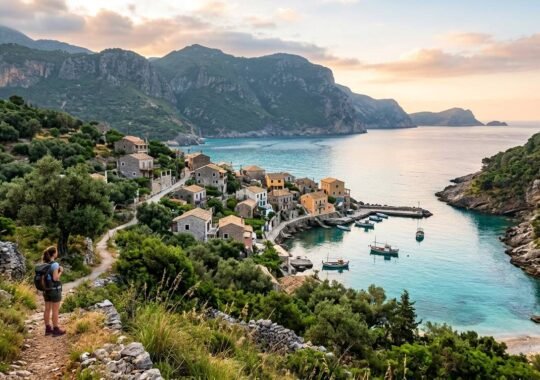
Seville is one of Spain’s most visually stunning cities, known for its rich cultural heritage and artistic buildings. The beauty of Seville architecture comes from a unique blend of Islamic, Gothic, and traditional Spanish design styles that developed over many centuries. As you walk through the city, you can see how history shaped every street, courtyard, and tower. From detailed tile patterns to grand stone structures, the architecture reflects both creativity and tradition. This combination makes Seville a favorite destination for travelers who enjoy history, design, and culture.
The artistic style of the city has attracted strong global attention across travel and lifestyle media. Many international Sources, including global women magazine, present Seville as a perfect example of how architecture and daily life connect naturally. From historic landmarks to modern creative spaces, the city continues to inspire photographers, designers, and travelers who appreciate visual storytelling and cultural depth.
Moorish Influence and Decorative Detail
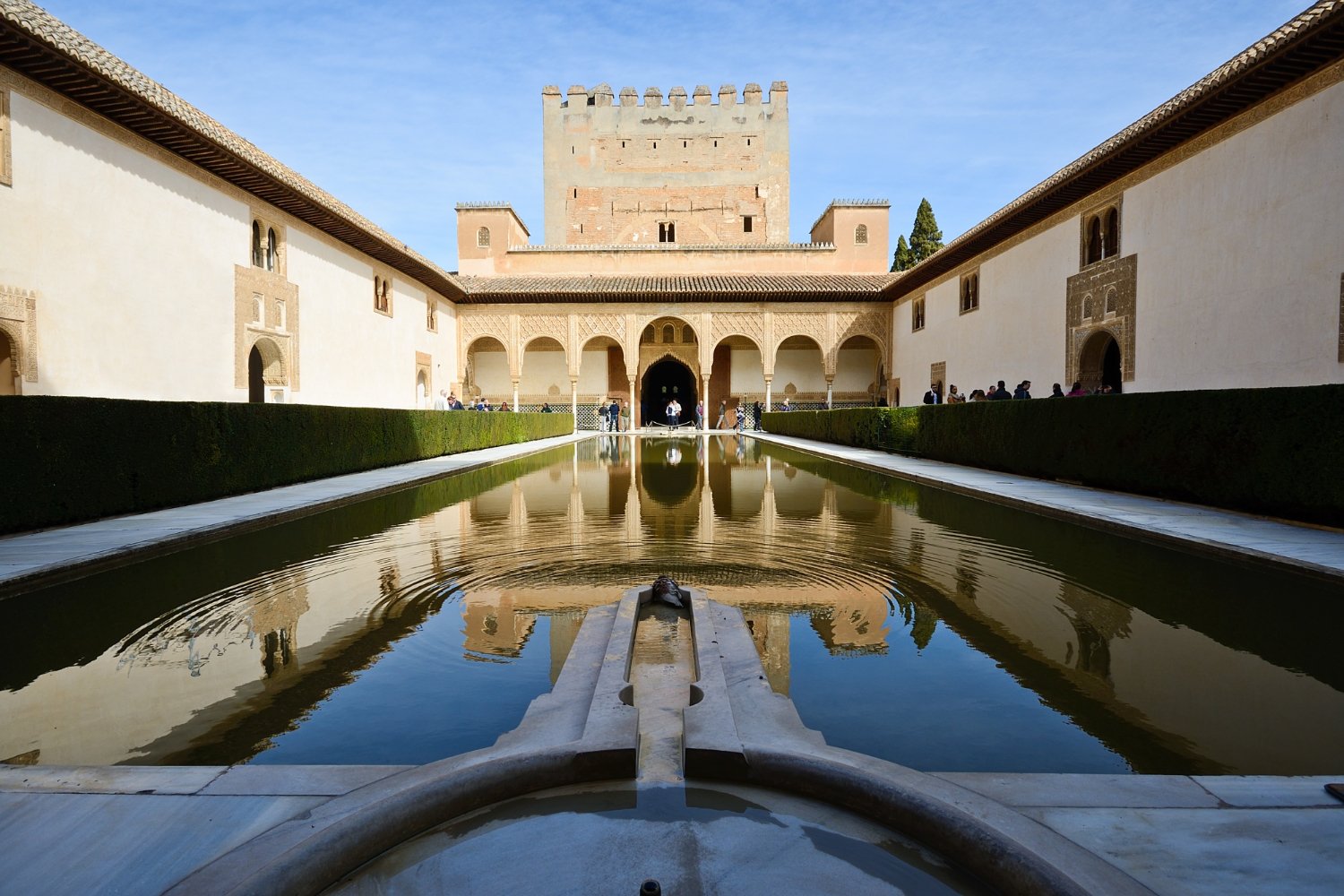
One of the strongest influences on Seville’s architectural identity comes from the Moorish period. During this time, Islamic rulers introduced detailed geometric patterns, carved plaster walls, and peaceful courtyard layouts. These design elements were not only decorative but also practical for the warm climate.
Courtyards became an important part of homes and public buildings because they helped circulate air and create cooler indoor spaces. Fountains were commonly placed in the center to add both beauty and comfort. Colorful ceramic tiles were used to decorate walls and floors, creating repeating patterns that still define the city’s style today.
Even in modern Seville, many homes and boutique hotels continue to use these ideas. Interior courtyards, patterned tiles, and soft arches show how traditional design remains relevant. This lasting influence is one of the reasons Seville feels both historic and lively at the same time.
Gothic Grandeur and Religious Architecture
As the city moved into the Christian period, Gothic architecture began to shape Seville’s skyline. This style focused on height, structure, and dramatic visual impact. Large cathedrals and churches were built to represent religious power and artistic excellence.
Gothic buildings are easy to recognize because of their tall pointed arches, detailed stone carvings, and high vaulted ceilings. These features were designed to create a sense of awe and spiritual emotion. Natural light also plays an important role, with stained glass windows adding color and atmosphere inside large spaces.
This period added strong visual contrast to the softer patterns of Moorish design. Together, the two styles created a balanced architectural identity that still defines the city today.
Spanish Regional Style and Colorful Public Spaces
As Seville continued to grow, Spanish regional design became more visible in public spaces and civic buildings. This style introduced warm tones, decorative ceramics, and open plazas designed for social activity.
Public squares became important gathering places where architecture supported community life. Wide walkways, arches, and bridges were combined with colorful tile artwork that often told stories about local culture and history. The use of ceramic decoration became a signature element across the city.
Balconies with iron railings and flower displays also became common, adding charm to residential streets. These small details give Seville a welcoming and relaxed atmosphere while still maintaining strong artistic character.
Modern Architecture and Creative Contrast
Although Seville is deeply connected to its historic past, modern architecture also plays an important role in the city’s visual identity. Contemporary structures bring new materials and creative design ideas while still respecting traditional surroundings.
Modern buildings often focus on open public spaces and innovative shapes. The goal is to create functional areas for social interaction while adding a fresh visual perspective. This contrast between old and new keeps the city dynamic and interesting.
Instead of replacing historic buildings, modern architecture in Seville works alongside them. This balance helps preserve cultural heritage while allowing the city to grow and adapt to modern needs.
How Architecture Reflects Seville’s Cultural Identity
Seville’s architecture is special because it reflects the cultural transitions the city experienced over time. Islamic design introduced artistic patterns and courtyard living. Gothic architecture added structure and scale. Spanish regional design brought warmth and color. Modern architecture added innovation and new materials.
Each style represents a different historical chapter, yet they blend naturally across the city. This layered development creates a strong visual identity that feels authentic rather than planned.
Walking through the old neighborhoods is one of the best ways to experience this blend. Narrow streets often reveal hidden details such as tiled walls, carved doors, and peaceful courtyards. These small features help visitors understand how architecture shapes everyday life in Seville.
Tips for Exploring Seville’s Architecture
The best way to explore Seville is on foot because many of the most beautiful architectural details are found in smaller streets. Morning and late afternoon are ideal times to walk because the natural light highlights textures and colors across buildings.
Looking beyond major landmarks can also make the experience more interesting. Residential areas often show traditional design elements that are not always visible in tourist locations. Paying attention to balconies, doorways, and tiles can reveal the artistic character of the city.
Learning a little about the history of each architectural style before visiting can also help you appreciate the visual details more deeply.
Conclusion
Seville stands out as one of Europe’s most visually rich cities because of its unique blend of Moorish elegance, Gothic drama, and Spanish charm. Each architectural style adds a different layer of history while still creating a unified look across the city. From detailed patterns and peaceful courtyards to dramatic cathedrals and colorful plazas, every structure tells a story.
The combination of tradition and creativity keeps Seville inspiring for travelers, designers, and culture lovers. Exploring the city offers more than beautiful views. It provides a deeper understanding of how architecture connects history, lifestyle, and artistic expression.