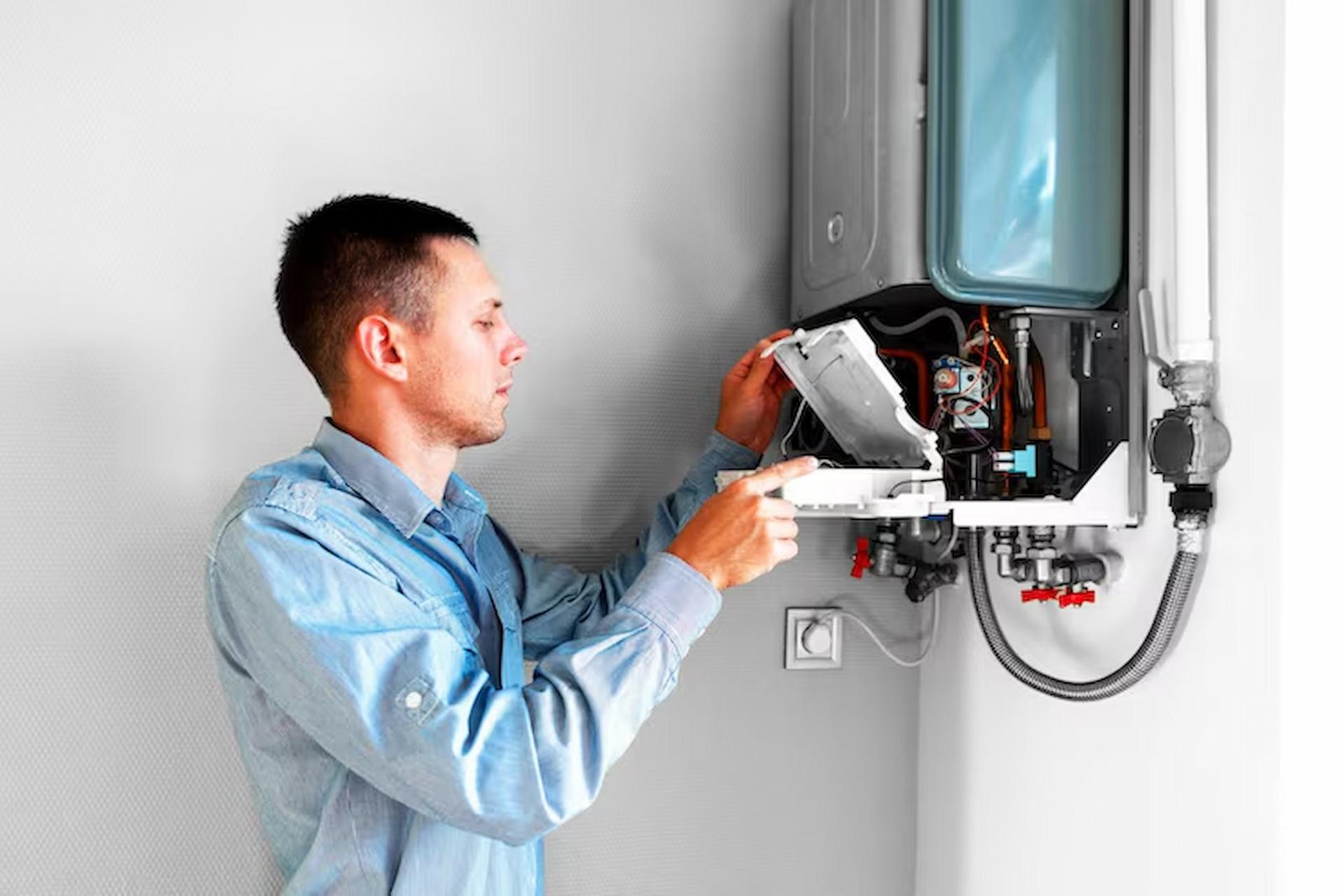
Few household appliances work harder behind the scenes than a water heater. From hot showers in the morning to washing dishes after dinner, it quietly supports everyday comfort. However, like any major home system, water heaters eventually begin to show signs of wear. When that happens, homeowners are often left with a difficult question: should the system be repaired, or is it time for a full replacement?
If you are dealing with inconsistent hot water, rising energy bills, or strange noises from the tank, it may be time to seriously evaluate your options. In many cases, deciding whether to repair or replace your water heater depends on the system’s age, condition, and overall performance. Understanding the warning signs can help you avoid unexpected breakdowns and costly emergency repairs later on.
How Long Does a Water Heater Usually Last?
Traditional tank water heaters generally last between eight and twelve years, although maintenance habits and water quality can affect lifespan. Tankless models often last longer, sometimes reaching twenty years with proper care.
As systems age, internal components gradually deteriorate. Sediment builds up inside the tank, heating elements become less efficient, and corrosion may start to form. While occasional repairs are normal during a unit’s lifespan, repeated problems often indicate that the entire system is nearing the end of its service life.
Checking the manufacturing date on the unit can provide a useful starting point when assessing whether repairs are still worthwhile.
Common Signs Your Water Heater Needs Attention
Water heaters rarely fail without warning. Most systems show several symptoms before serious problems develop.
Inconsistent Water Temperature
If the water turns cold unexpectedly or fluctuates between hot and lukewarm, the heating element or thermostat may be struggling. In some cases, a simple repair can resolve the issue. However, persistent temperature problems in an older system often point to larger internal wear.
Strange Noises from the Tank
Popping, rumbling, or banging sounds are usually caused by sediment hardening at the bottom of the tank. This forces the system to work harder when heating water, reducing efficiency and increasing strain on the appliance.
Minor sediment buildup may be manageable with flushing and maintenance, but excessive accumulation can permanently damage the tank over time.
Rust-Coloured Water
Discoloured hot water may indicate internal corrosion inside the tank or deteriorating pipes. Once corrosion develops within the water heater itself, replacement is often the safest long-term solution.
Water Leaks Around the Unit
Small leaks around fittings or valves can sometimes be repaired easily. However, cracks within the tank itself usually cannot be fixed safely or reliably. A leaking tank is often a clear sign that the unit has reached the end of its lifespan.
When Repairing the System Makes Sense
Not every water heater problem requires a complete replacement. In many situations, repairing the unit remains the most practical and cost-effective option.
Repairs may be worthwhile when:
- The water heater is relatively new
- The issue involves a replaceable component
- The repair cost is modest compared to replacement
- The system has otherwise been reliable
- There are no signs of tank corrosion or structural damage
For example, faulty thermostats, heating elements, pressure relief valves, and pilot light assemblies are commonly repaired without major complications.
If the unit is under warranty, repair costs may also be partially covered, making the decision even easier.
When Replacement Becomes the Better Option
There comes a point where continued repairs no longer make financial or practical sense. An aging water heater that breaks down repeatedly often costs more over time than investing in a newer, more efficient system.
Homeowners should strongly consider replacement if:
- The unit is over ten years old
- Repairs are becoming frequent
- Energy bills have noticeably increased
- The tank shows visible corrosion
- Hot water supply no longer meets household needs
- Repair costs approach half the price of a new system
At this stage, many homeowners decide that installing a new water heater is more practical than continuing to pay for temporary repairs that may not last.
A new system can improve energy efficiency, reduce utility costs, and provide more reliable performance throughout the year.
The Impact of Energy Efficiency
Older water heaters typically consume far more energy than modern models. Over time, declining efficiency can quietly increase monthly utility bills without homeowners immediately noticing the cause.
Newer units are designed with improved insulation, advanced heating technology, and better temperature controls. Some systems even qualify for energy rebates or incentives depending on local regulations and energy programmes.
Tankless water heaters, in particular, have become increasingly popular for their ability to heat water on demand rather than storing it continuously. Although installation costs may be higher initially, many households benefit from lower long-term energy usage.
Choosing a more efficient model can also reduce environmental impact while improving daily comfort.
Factors to Consider Before Making a Decision
Every household has different hot water needs, so the right decision depends on several practical considerations.
Household Size
Larger families often place heavier demands on water heaters. If the current system struggles to keep up with daily use, upgrading to a larger or more efficient model may improve overall convenience.
Future Home Plans
If you plan to sell the property soon, installing a new water heater could improve buyer confidence and reduce concerns during inspections. On the other hand, a minor repair may be sufficient if you only need the system to last another year or two.
Repair History
A single repair is not usually concerning. However, repeated service calls often signal deeper reliability issues that will continue to worsen over time.
Water Quality
Homes with hard water frequently experience faster sediment buildup, which can shorten equipment lifespan. Regular maintenance becomes especially important in these areas.
Preventative Maintenance Can Extend Lifespan
Proper maintenance plays a major role in helping water heaters operate efficiently for longer periods. Many costly breakdowns develop gradually due to neglected upkeep.
Simple maintenance tasks include:
- Flushing the tank annually
- Checking the pressure relief valve
- Inspecting for leaks or corrosion
- Testing the thermostat
- Replacing the anode rod when necessary
Professional inspections can also help identify early warning signs before major damage occurs.
Conclusion
Choosing between repairing and replacing an aging water heater requires careful consideration of the system’s age, efficiency, repair history, and overall condition. While smaller issues such as faulty thermostats or heating elements can often be repaired affordably, ongoing leaks, corrosion, inconsistent water temperatures, and increasing energy costs usually indicate that it may be time to replace your water heater entirely.
Investing in a modern, energy-efficient water heating system can improve household comfort, lower utility expenses, and reduce the risk of unexpected breakdowns. By recognising the early warning signs and scheduling regular water heater maintenance, homeowners can protect their plumbing systems, extend equipment lifespan, and make more informed long-term decisions for their property.