That single crack could be hiding a bigger risk. Behind every repair is a careful process that balances safety, precision, and long-term performance. From first inspection to final fit, glazing companies follow structured methods to assess damage accurately and recommend solutions that restore clarity, security, and confidence—without unnecessary disruption.
Introduction
A damaged window or glass door is more than a visual inconvenience. It can affect insulation, safety, noise levels, and even energy bills. Homeowners and businesses often see only the visible crack or fogging, but glazing professionals look much deeper. Companies like Montrose Glass approach damage assessment as a layered process, combining technical checks, safety considerations, and material knowledge to decide the most reliable course of action.
The steps behind those decisions unfold right here. This article will explain how glazing companies evaluate damage, how they choose between repair and replacement, and how they ensure solutions are built to last. By understanding these steps, you can make informed decisions, ask better questions, and feel confident that the work carried out genuinely solves the problem rather than masking it.
The First On-Site Evaluation: Looking Beyond the Obvious
Visual checks and safety screening
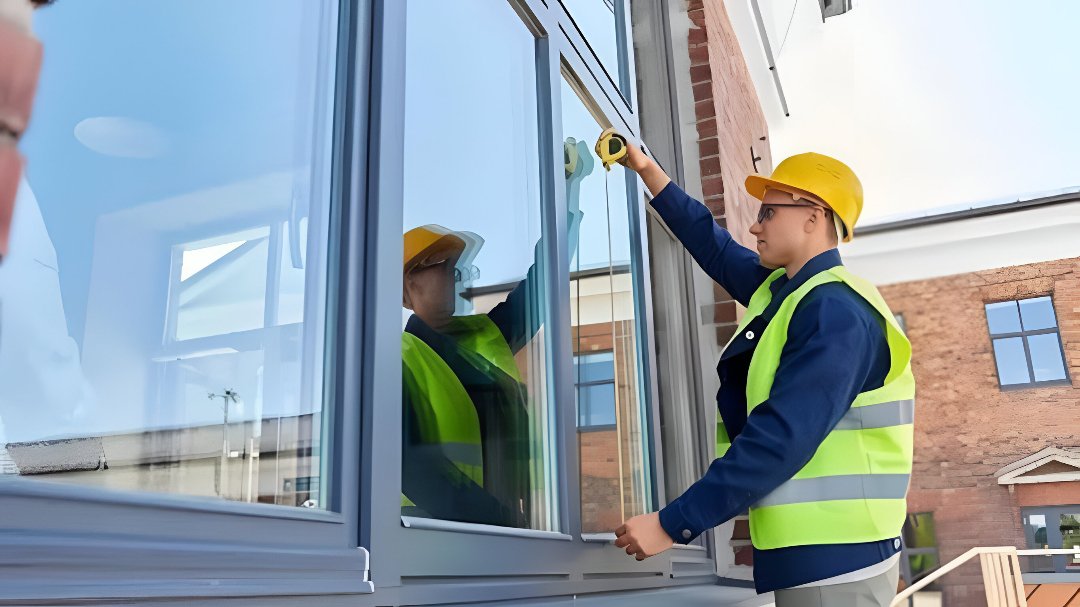
The initial walk-through focuses on visible issues such as cracks, chips, scratches, or misting between panes. At the same time, safety risks are identified. For example, loose shards or stressed glass may require immediate stabilisation to prevent injury.
Context matters as much as the crack
Professionals also consider where the glass sits within the building. A small crack in a decorative internal panel may be less urgent than a similar flaw in a load-bearing shopfront or external window exposed to wind pressure.
Industry data indicates that over 60% of glass failures worsen when early warning signs are ignored, highlighting why this early evaluation is essential.
Assessing the Type of Glass Involved
-
Safety glass versus standard glass
Toughened glass is designed to shatter into small, blunt fragments, while laminated glass holds together due to a bonded interlayer. Each behaves differently under stress, which directly affects whether repair or replacement is appropriate.
-
Double and triple glazing considerations
Condensation or fogging between panes usually signals seal failure rather than surface damage. In such cases, replacing the sealed unit instead of the entire frame is often the most effective and economical solution.
Correct identification prevents unnecessary work and ensures performance is fully restored.
Measuring Structural Impact and Frame Integrity
Checking frame alignment
Warped or misaligned frames place uneven pressure on glass, increasing the likelihood of cracking. Professionals assess tolerances to determine whether structural movement contributed to the damage.
Material compatibility
Frame materials expand and contract at different rates. A reliable assessment considers these movements to prevent recurring stress on replacement glass.
Ignoring frame integrity is one of the most common causes of repeat glazing problems.
Deciding Between Repair and Replacement
-
When repair is appropriate
Minor surface damage that does not affect strength or safety may be suitable for repair. These options reduce downtime and costs when used correctly.
-
When replacement is the safer option
Spreading cracks, compromised seals, or damaged safety glass usually require replacement. Although replacement may seem costly at first, it often prevents future heat loss, security risks, and repeated failures.
Professional decisions prioritise safety and durability over short-term savings.
Energy Efficiency and Performance Checks
Heat retention and insulation
Damaged glazing can increase heat loss by as much as 20%. During assessments, professionals look for draughts, temperature imbalance, and signs of thermal inefficiency.
Acoustic performance
Cracks and gaps also reduce sound insulation. In busy or commercial environments, this loss can significantly impact comfort and usability.
Performance checks ensure the solution improves everyday living conditions.
Compliance With Safety and Building Standards
Location-specific safety requirements
Glass installed in doors, low-level windows, or public-facing areas must meet stricter safety standards. Assessments verify compliance and highlight necessary upgrades.
Security and fire considerations
Some installations must meet additional security or fire-resistance requirements. Reliable glazing companies factor these into recommendations to avoid weakening building protection.
Compliance is essential for both safety and long-term reliability.
Creating a Clear and Practical Solution Plan
-
Straightforward explanations
Findings are explained in plain language, outlining the issue, the recommended solution, and the expected outcome without unnecessary complexity.
-
Minimising disruption
Scheduling, access planning, and cleanliness are considered to reduce inconvenience, particularly in occupied properties. Structured planning is a hallmark of experienced providers like Montrose Glass.
Quality Control During Installation
Precision fitting
Correct alignment, spacing, and sealing ensure glass performs as intended. Even high-quality materials fail if fitted poorly.
Final inspection checks
After installation, professionals confirm smooth operation, secure sealing, and visual clarity to ensure the solution addresses both visible damage and underlying causes.
Key Takeaways for Property Owners
- Early assessment prevents minor damage from escalating
- Glass type and frame condition matter as much as visible cracks
- Repairs should never compromise safety or performance
- Energy efficiency checks protect long-term comfort and costs
- Clear communication signals a reliable glazing service
Conclusion
Glass damage often feels urgent, but lasting solutions depend on careful assessment rather than rushed decisions. Reliable glazing companies follow structured processes that prioritise safety, efficiency, and durability. By examining glass type, frame condition, performance impact, and compliance requirements, they ensure solutions genuinely resolve the issue rather than offering temporary fixes.
Working with experienced professionals means gaining clarity and peace of mind. Whether addressing minor damage or complex glazing failure, choosing a trusted provider such as Montrose Glass ensures every decision is guided by expertise and long-term value. If you are dealing with glazing concerns, take the confident step of engaging specialists who assess thoroughly and deliver solutions designed to last.